
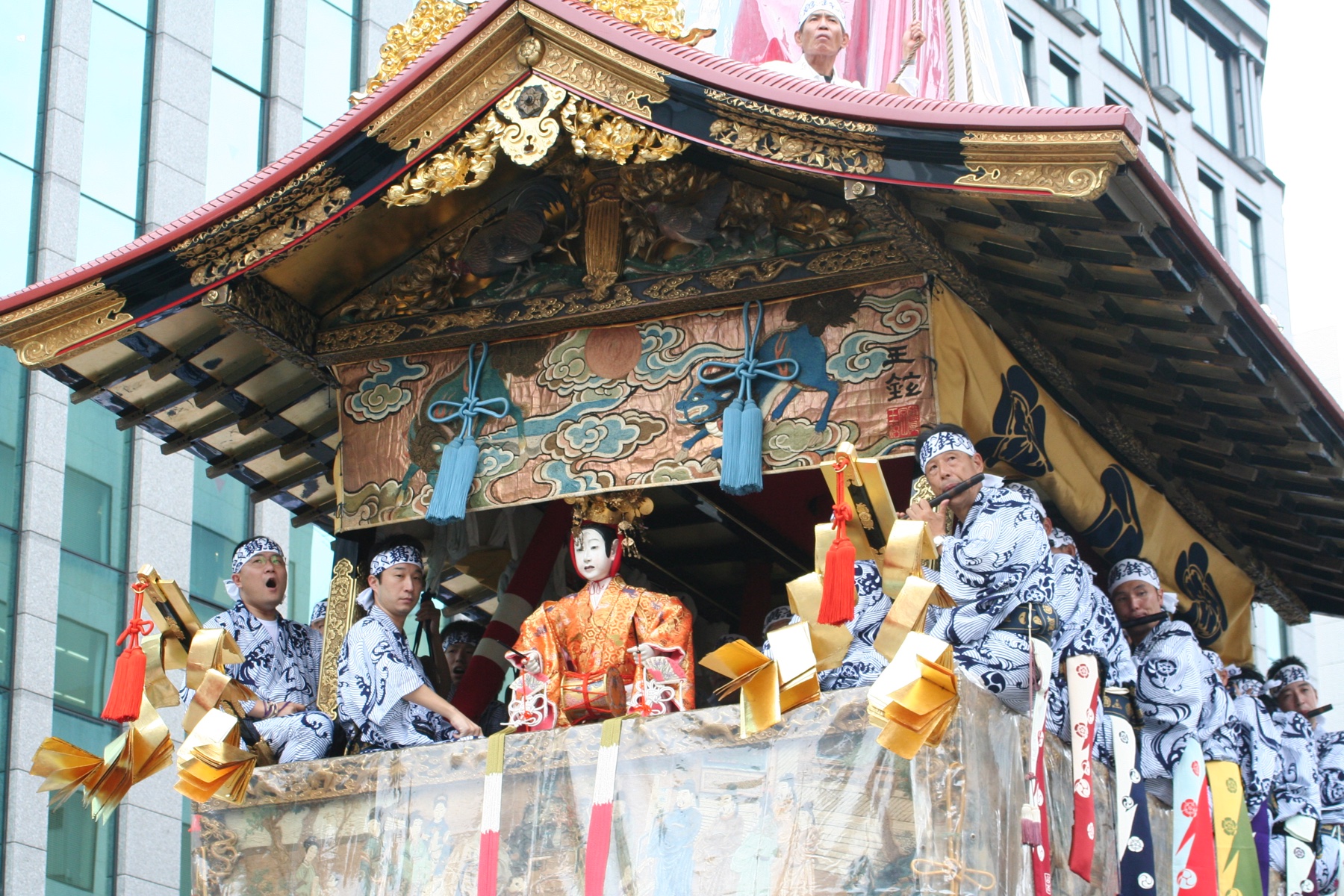
Kyoto Through Gion Matsuri
Kyoto during Gion Matsuri's month of festivities, with Yasaka Shrine, the Yamaboko float processions and day trips to Uji and Nara.
- Fly into
- Kyoto · KIX
- Shortest trip
- 6 nights
- Ideal stay
- 8-10 nights
- Best time
- Every year, July 1–31
Why go
Kyoto's temple districts, gardens, museums, markets and craft traditions reward a slow pace. Yasaka Shrine is the spiritual home of Gion Matsuri, and in July the festival fills the streets around it at a human scale. Uji and Nara, both an easy train ride away, add tea culture, riverside walks and some of Japan's best-known temples.
- Where
- Kyoto and Nara prefectures, Japan
- Language
- Japanese
- Currency
- JPY
- Time zone
- Japan Standard Time
- Best time
- Every year, July 1–31
- Typical conditions
- July is hot and humid. Heavy rain and dense festival crowds are possible, so plan for shade, water and a flexible pace.
Plan for 8-10 nights. Enough time for Kyoto's neighborhoods and festival events, plus quieter days in Uji and Nara.
Read the Kyoto guide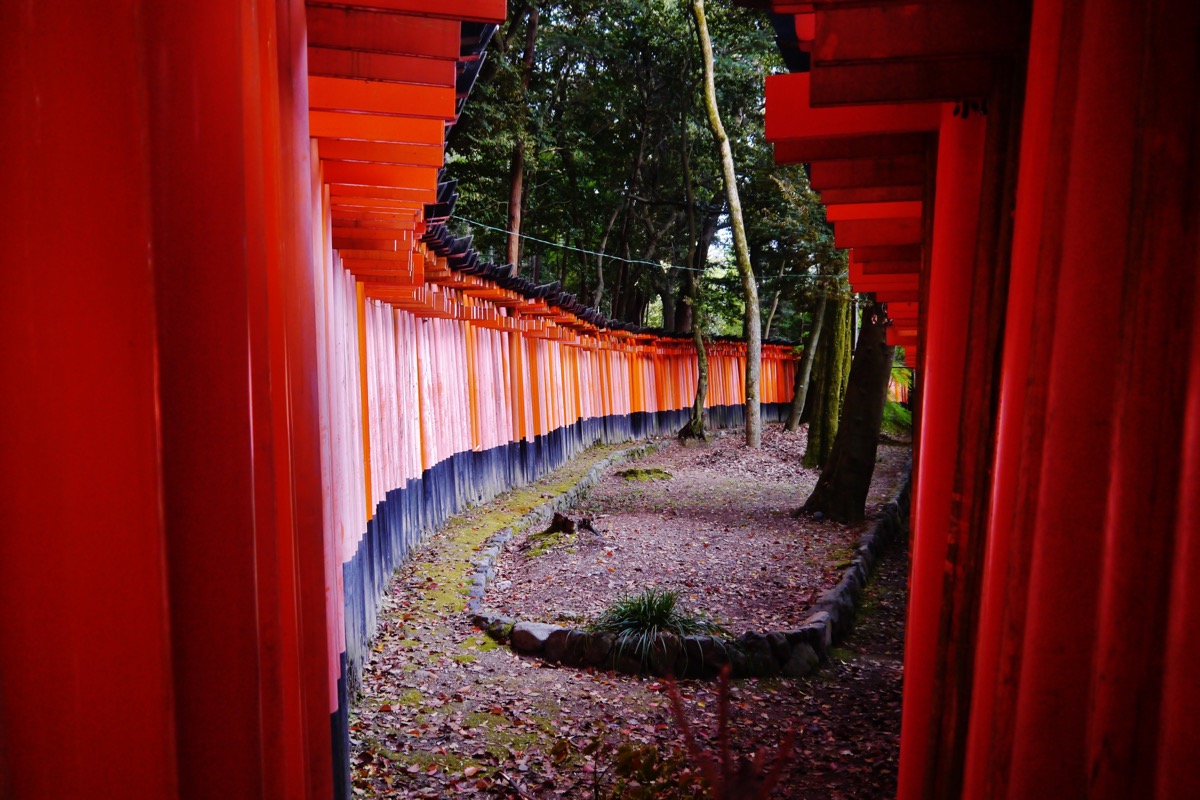 The place
Senbon Torii reveals Kyoto's enduring shrine landscape beyond the Gion Matsuri calendar.
The route
Follow the stops in order.
For orientation only. Use a map app for directions.
- 01Kyoto
- 02Yasaka Shrine
- 03Uji
- 04Nara
Highlights
- 01
Yasaka Shrine
Yasaka traditions · 2–3 hr · Walk/transit · Heat/crowds · Check the calendar
- Why it fits
- Yasaka Shrine gives Gion Matsuri its spiritual center and connects the public celebration to centuries of tradition.
- Useful time
- Allow two to three hours for the shrine and festival context, separate from the longest procession period.
- From base
- Reach Yasaka Shrine from Kyoto by current transit or a measured walk.
- Effort and access
- Expect heat, standing and dense pedestrian movement; preserve an accessible exit.
- Seasonal note
- Use the current calendar and visitor guidance; recurring dates do not establish every event time.
- 02
Uji
Uji tea/river · Half/full · Rail from base · Moderate · Between processions
- Why it fits
- Uji pairs tea culture, riverside landscapes and major Buddhist heritage in a quieter regional chapter.
- Useful time
- Keep a half or full day for tea culture, the riverside and Byodoin.
- From base
- Use a current rail connection from Kyoto and return on the same line.
- Effort and access
- Urban and riverside walking is moderate; confirm individual temple access and heat conditions.
- Seasonal note
- Use Uji as a lower-intensity day between major festival dates, not as festival overflow.
- 03
Nara
Nara temples · Full day · Rail from base · Long walks/steps · Off parade days
- Why it fits
- Nara broadens the Journey through early-capital history, monumental temples and a distinctive park landscape.
- Useful time
- Reserve a full day for the early-capital temple and park landscape.
- From base
- Travel by current rail from Kyoto and retain a confirmed evening return.
- Effort and access
- The day involves sustained walking, summer heat and steps at some sites.
- Seasonal note
- Keep Nara separate from major procession days and refresh heat, rain and rail notices.
A closer look
 Along the way
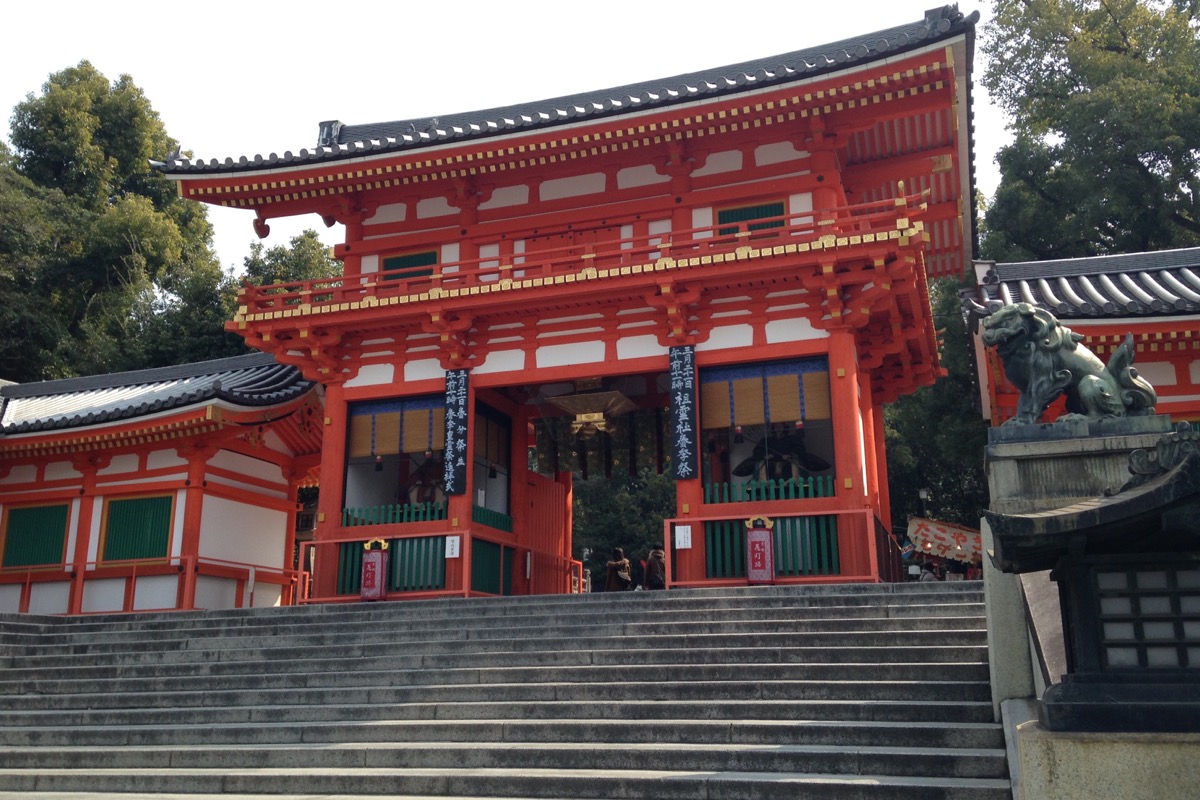
Yasaka Shrine gives the Kyoto route a fixed cultural anchor beyond the Gion Matsuri procession streets.
When to go
- Best time
- Every year, July 1–31
- Why then
- Gion Matsuri
See the moment - Time zone
- Japan Standard Time
Stop by stop
The stops in order. Set your own pace day to day.
- 01
Kyoto
- 02
Yasaka Shrine
- 03
Uji
- 04
Nara
Before you book
Book first
- The 2027 festival schedule
- A plan for heat and crowds
- Rail and subway updates
Know before you go
- Bring a poncho. Umbrellas don't work in the crowds.
- Respect private property and no-photo signs
- Don't follow or block geiko and maiko
Keep in mind
- Past years' times and street closures may change for 2027.