
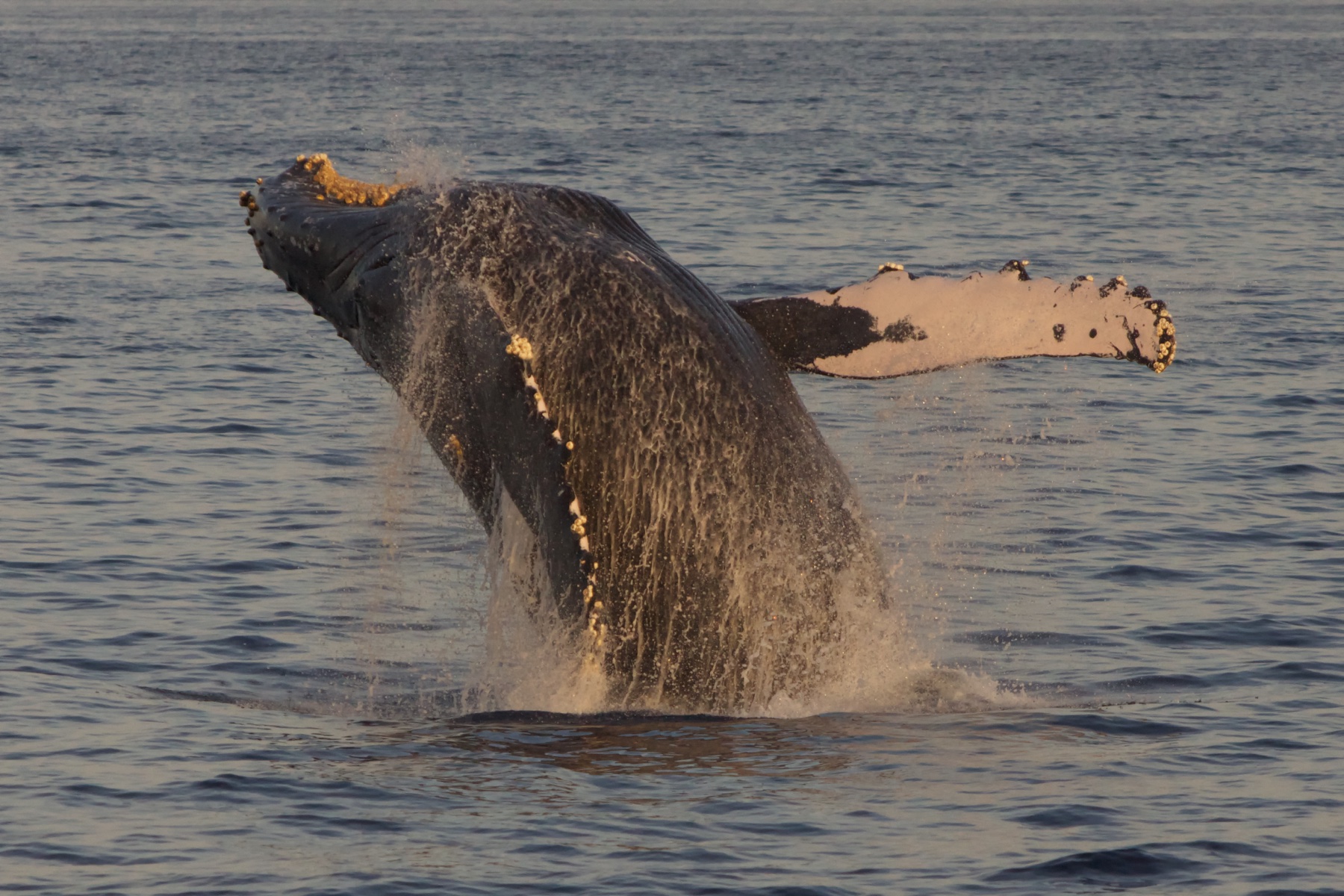
Maui During Humpback Season
Maui from Haleakalā's summit to the road to Hāna, with a chance to see humpbacks in winter.
- Fly into
- Kahului · OGG
- Shortest trip
- 6 nights
- Ideal stay
- 8-10 nights
- Best time
- Every winter, usually best January–March
Why go
Maui runs from Haleakalā's volcanic summit and native ecosystems to the rain-soaked windward coast. Pāʻia is a laid-back north-shore base with local food, historic streets and beach life between bigger days out. State parks, coastal lookouts and the road to Hāna show how fast the island changes from one mile to the next.
- Where
- United States
- Language
- English
- Currency
- USD
- Time zone
- Hawaii-Aleutian Standard Time
- Best time
- Every winter, usually best January–March
- Typical conditions
- At the Haleakalā summit, winter highs are around 14°C (57°F). Bring real warm layers for the top.
Plan for 8-10 nights. That gives Haleakalā, the north shore and Hāna–Kīpahulu their own days, with the whales as a bonus.
Read the Haleakalā guide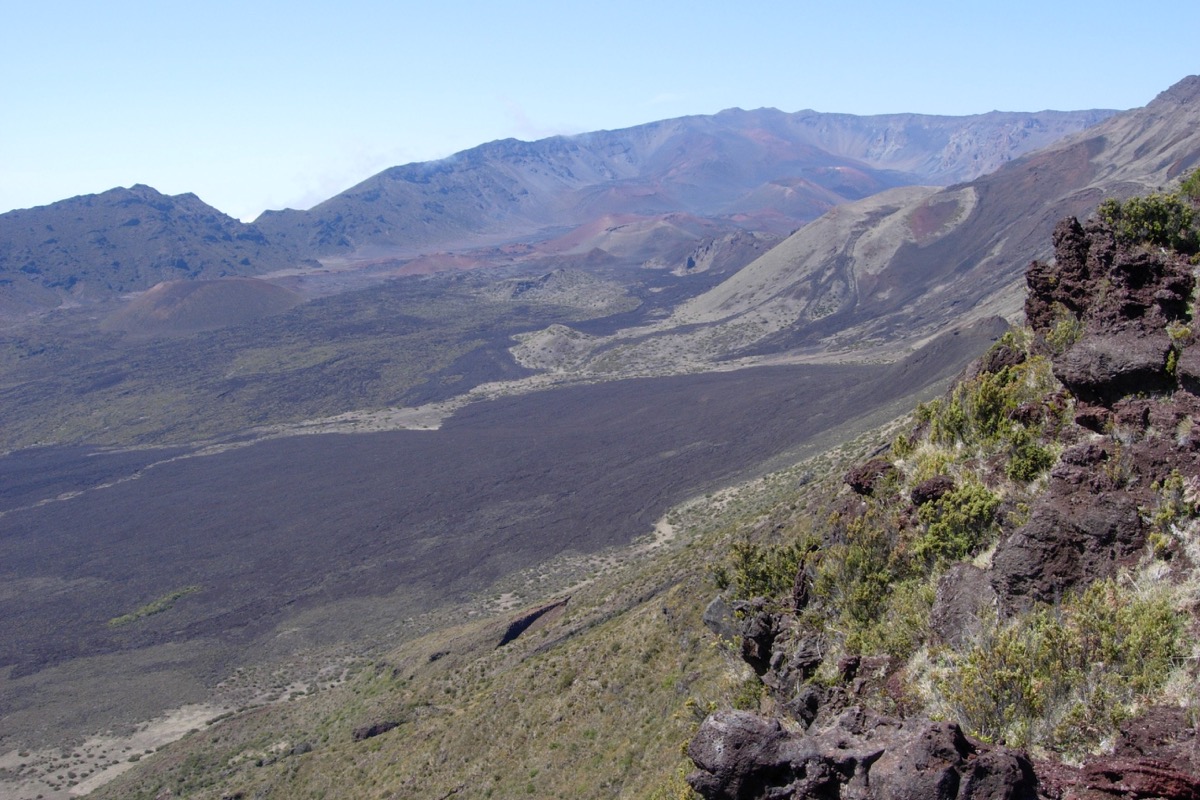 The place
Haleakalā's crater gives the journey a volcanic summit chapter independent of whale season.
The route
Follow the stops in order.
For orientation only. Use a map app for directions.
- 01Kahului
- 02Haleakalā
- 03Pāʻia
- 04Hāna and Kīpahulu
Highlights
- 01
Haleakalā
Volcanic summit · Half/full · From Pāʻia · Altitude/cold · Check road/cloud
- Why it fits
- Haleakalā reveals Maui's volcanic origins and native high-elevation ecosystems far above the island's coast.
- Useful time
- Reserve a half or full day for summit country, native ecosystems and a short marked walk.
- From base
- Drive from Pāʻia with fuel, warm layers and a confirmed open summit road.
- Effort and access
- High elevation, cold and uneven trails can be demanding; choose a viewpoint or trail to match ability.
- Seasonal note
- Sunrise needs a reservation, while cloud, wind or closure can make daylight preferable.
- 02
Pāʻia
Pāʻia culture · Half day · Walk from base · Easy · Good rainy-day plan
- Why it fits
- Pāʻia brings local food, north-shore culture and a human-scale town chapter to the island route.
- Useful time
- Keep a half day for the walkable north-shore town, local food and beach culture.
- From base
- Explore directly from the Pāʻia base without another road transfer.
- Effort and access
- Town time is low effort, but beach and water access follow posted conditions.
- Seasonal note
- Use this as a flexible recovery block when mountain, marine or Hāna weather shifts.
- 03
Hāna and Kīpahulu
Hāna rainforest · Full day · From Pāʻia · Remote/short walks · Rain may cancel
- Why it fits
- Hāna and Kīpahulu unite rainforest, waterfalls, Hawaiian cultural landscape and the island's remote eastern coast.
- Useful time
- Protect a full day for the Hāna road and Kīpahulu with no competing evening commitment.
- From base
- Drive east from Pāʻia and return only within a safe daylight plan.
- Effort and access
- Remote roads, rain, short trails and limited services require fuel, food and water.
- Seasonal note
- Flooding, rockfall, road closure and heavy rain can cancel the district.
A closer look
 Along the way
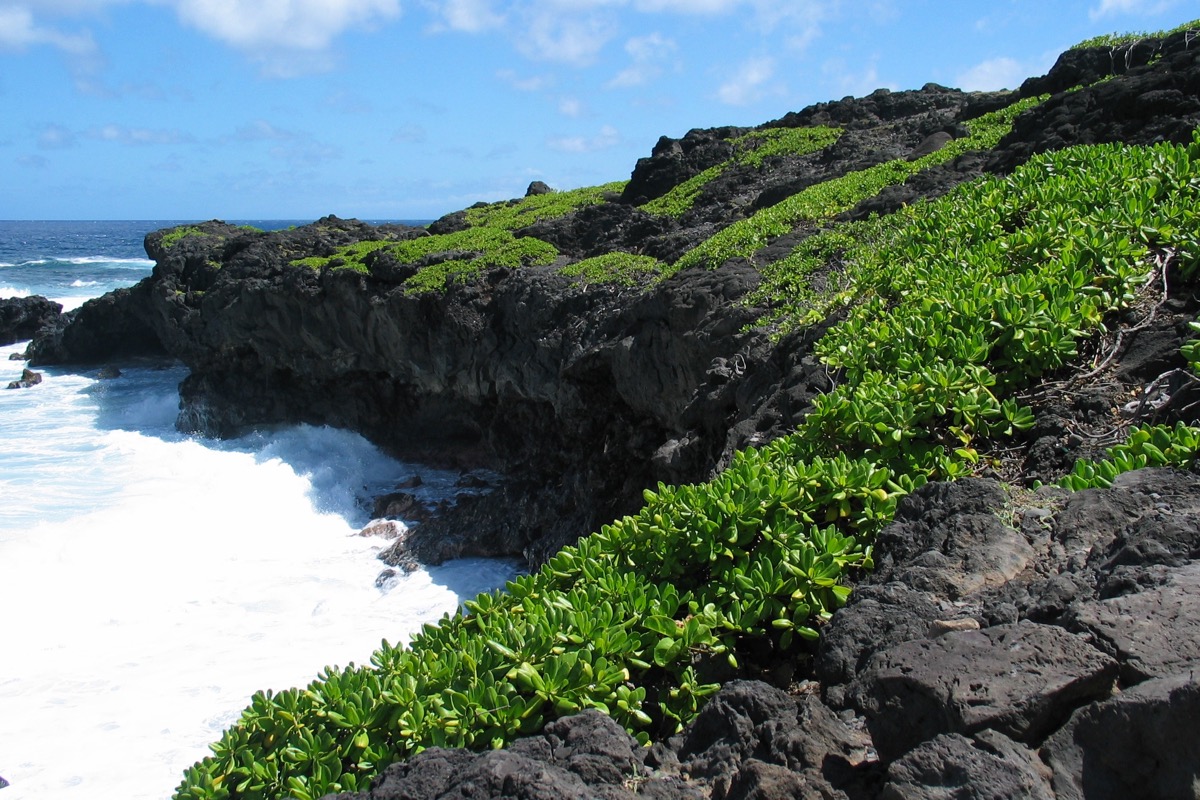
The Kīpahulu coast anchors the Hāna side of the route in black lava, green naupaka, and Pacific views.
When to go
- Best time
- Every winter, usually best January–March
- Why then
- Humpback whale season
See the moment - Time zone
- Hawaii-Aleutian Standard Time
Stop by stop
The stops in order. Set your own pace day to day.
- 01
Kahului
- 02
Haleakalā
- 03
Pāʻia
- 04
Hāna and Kīpahulu
Before you book
Book first
- A car
- State park reservations where needed
- A Haleakalā sunrise reservation, if you're going up for sunrise
Know before you go
- Whale-watching boats must stay 100 yards away. It's federal law.
- Check road, park and land notices (HDOT, NPS, DLNR)
- Be respectful in Lahaina and avoid areas still recovering
Keep in mind
- Whale sightings are never guaranteed.