
Photo information

Swayambhunath

Photo
Vyacheslav Argenberg
Licence
CC BY 4.0
Original
View source
Changes
Cropped
Trailwind
Landmark

Swayambhunath

Kathmandu, Nepal
Best timeNov–Apr
Set inKathmandu, Nepal
Climate
Data source

Climate

Source

2018–2023 averages, not a forecast. Wet days estimate days with at least 1 mm of rain or snow using a calibrated ERA5 threshold. Contains modified Copernicus Climate Change Service information. Weather data by Open-Meteo.com (AWS Open Data, CC BY 4.0).

ERA5 via Open-Meteo AWS Open Data

45–81°F
CurrencyNPR
LanguageNepali
TimezoneUTC+05:45
On the map
Map showing the location of Swayambhunath
Directions (Google Maps) →
Historical monthly weather

Sweet spotPeak Nov–Mar. Go in Apr, Oct for similar weather.

Sunny share of daylightDec · 65%
WarmestJun · 81°F
WettestJul
Best windowNov–Apr
J
F
M
A
M
J
J
A
S
O
N
D
Bar height is the typical daytime high; color shows sunny share of daylight. The shaded months are the ideal window to go.
Weather data & source

2018–2023 averages, not a forecast. Wet days estimate days with at least 1 mm of rain or snow using a calibrated ERA5 threshold. Contains modified Copernicus Climate Change Service information. Weather data by Open-Meteo.com (AWS Open Data, CC BY 4.0). Sunny share of daylight is calibrated from daytime cloud cover. ERA5 via Open-Meteo AWS Open Data

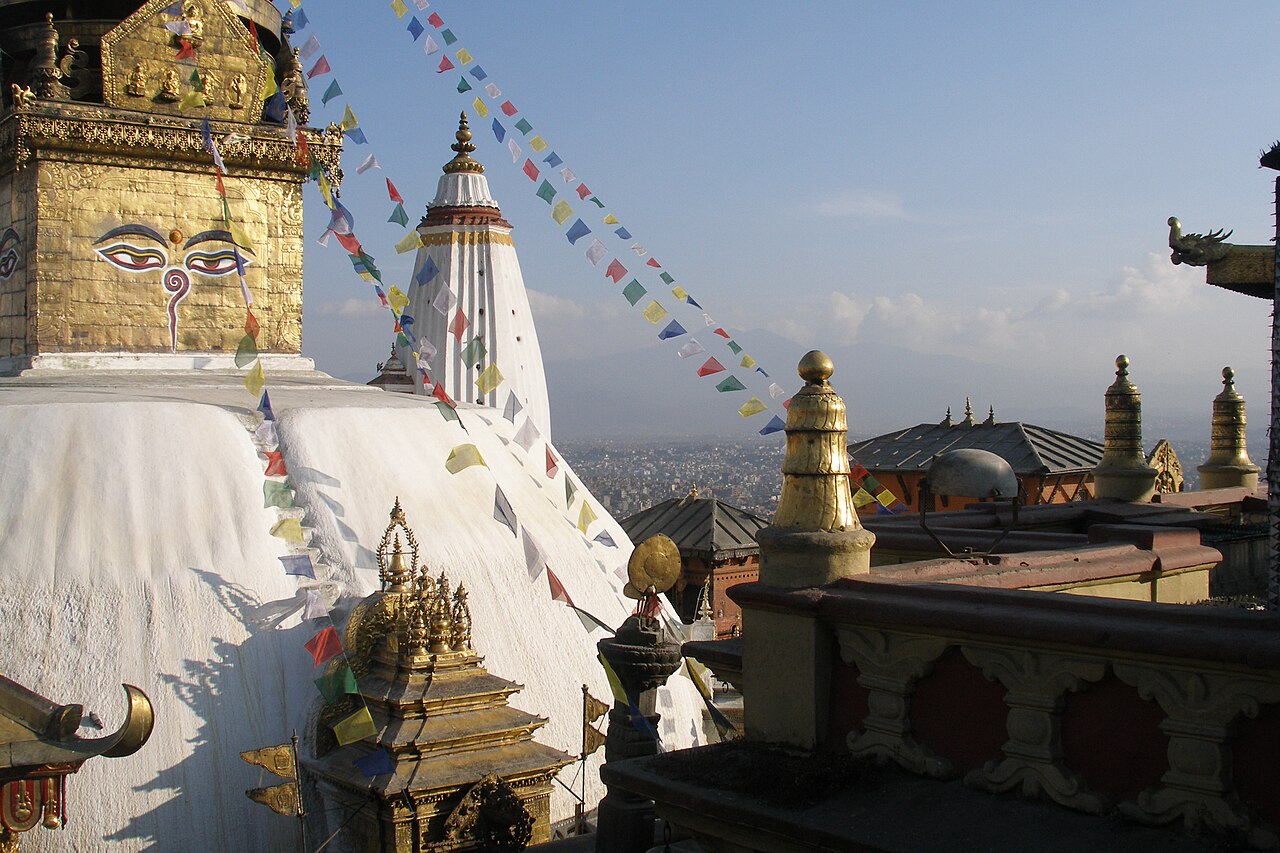
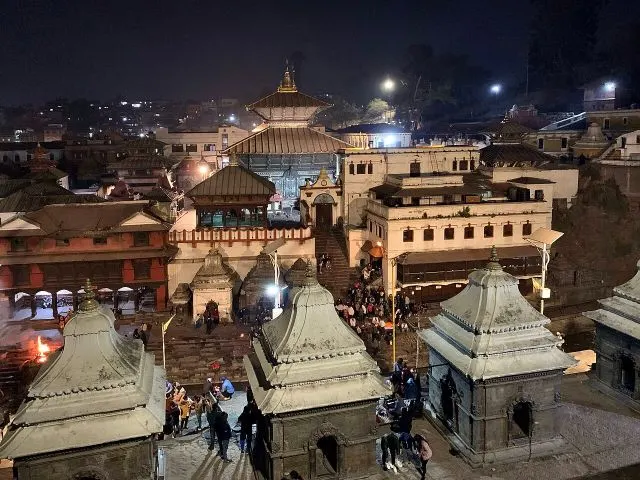
Swayambhunath is an ancient religious complex atop a hill in the Kathmandu Valley, west of Kathmandu city. The Tibetan and Sanskrit name for the site means 'self-arising' or 'self-sprung'. The hill on which the stupa stands has been an ancient pilgrimage place considered the home of the primordial Buddha known as the Adi-Buddha.

Best time to visit

Aim for Nov–Apr, the 6 months that line up best.

Pairs well with
Frequently asked questions

When is the best time to visit Swayambhunath?

The best time to visit Swayambhunath is November–April, in Kathmandu, Nepal.

Where is Swayambhunath?

Swayambhunath is in Kathmandu, Nepal.

What is Swayambhunath known for?

Swayambhunath is an ancient religious complex atop a hill in the Kathmandu Valley, west of Kathmandu city. The Tibetan and Sanskrit name for the site means 'self-arising' or 'self-sprung'. The hill on which the stupa stands has been an ancient pilgrimage place considered the home of the primordial Buddha known as the Adi-Buddha.

Explore Kathmandu →